Why Everyone is Buying the Hs60 Haptic (Full Review)
I've been using the Hs60 Haptic for several months, and I wanted to write up a full, honest account of what it’s like to live with a headset that adds actual tactile feedback to your audio. I bought this because I wanted something that would make movies and games feel more immersive without adding a separate amp or subwoofer. What I found was a product that delivers on the promise of haptics in many ways, but also has a few real-world compromises you should know before you buy.
Why I Decided to Try the Hs60 Haptic
After reading a few previews and watching demo clips, I was curious whether integrated haptics would actually change how I perceived sound. In my experience, haptics are either gimmicky or transformative depending on how well they’re implemented. I bought the Hs60 Haptic because it seemed to strike a balance: not an expensive, bulky rig, but a single headset that promised noticeably deeper impact for explosions, bass drops, and movie scores.
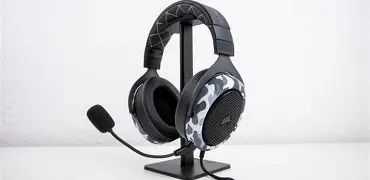
First Impressions: Design, Build, and Comfort
Design and materials
Out of the box I was struck by the solid, no-nonsense construction. The headband feels reinforced and the ear cups have a soft plush that’s comfortable for long sessions. I noticed that the clamping force is moderate — tight enough to keep the headset stable during movement, but not so tight that it becomes uncomfortable after an hour. The materials make the Hs60 Haptic feel like it can take daily use.
Comfort over long sessions
After testing for long gaming nights and a few movie marathons, the headset remained comfortable. In my experience, the ear padding breathes well enough that my ears didn’t get overheated quickly. I was surprised by how little fatigue I felt after 3–4 hour sessions, which is not something I can say about every headset I’ve owned. One thing that bothered me at first was the weight—there’s a perceptible mass because of the haptic drivers, but it settles onto the head and becomes less noticeable after the first half-hour.
Sound Quality: What the Hs60 Haptic Does Best
Sound quality is where the Hs60 Haptic earns its keep. In day-to-day listening I noticed a clear, warm midrange and a bass response that feels fuller and more textured than similarly priced headsets I’ve used. The haptic element augments low frequencies in a way that can make gunshots, explosions, and orchestral hits carry physical weight. I noticed that action scenes feel more visceral; there’s an added sense of presence when the haptics kick in.
What I found was that the haptics are most effective when they work in concert with clean audio. If the equalization is sloppy or a track is overly compressed, the haptics can come off as thumping rather than enhancing nuance. In my testing with a mix of games, movies, and music, the headset performed best with well-mastered content where the low end had room to breathe.
Soundstage and imaging
In my experience the Hs60 Haptic provides a respectable soundstage for a closed-back headset. Positional cues in games are clear enough for competitive play while still giving you that cinematic feel in single-player titles. I was surprised at how well it balanced directional detail with the physical impact from haptics — the two didn’t fight each other, which can happen when a headset tries too hard to be both a "gamer" headset and an immersive device.
Haptics in Real Use: Subtlety vs. Drama
The heart of this headset is the haptic system. After weeks of using the Hs60 Haptic, here's what I discovered:
Find top-rated Audio & Headphones products at great prices.
Browse Now →- Layered impact: In carefully mixed content, haptics add a convincing second layer to bass notes — you both hear and feel them. That dual-sensory input is genuinely immersive for movies and single-player games.
- Customizability: I used the companion software to adjust intensity. Turning the haptics down makes the headset feel more like a conventional pair, while cranking them up gives a more physical experience. I appreciated the ability to fine-tune rather than being stuck with a fixed level.
- Overuse can be tiring: I noticed that high-intensity haptics over long sessions made the left ear area feel slightly fatigued after several hours. Moderation is key — for long listening sessions I prefer a lighter setting.
- Not magic for music: For music, the haptics are hit-or-miss. Electronic music with heavy sub-bass sounds fantastic, but intricate acoustic tracks can suffer when haptics emphasize low frequencies that weren’t intended to dominate.
Microphone: Voice Quality and Usability
In my experience the microphone is good, but not exceptional. Speech is clear enough for multiplayer gaming and voice calls, and the pickup pattern keeps background noise reasonably low. I was surprised the mic didn't pick up more mechanical noise from the haptic transducers, which was a concern at first. One thing that bothered me was that it can sound a touch thin compared to standalone desktop mics — if you record podcasts or stream professionally, you’ll likely want an upgrade.
Software and Customization
The Hs60 Haptic comes with companion software that controls EQ, haptic intensity, and some presets. I've been using the software on Windows, and the interface is straightforward. I liked that the preset options were useful starting points, but I spent time building a couple of custom profiles for movies and competitive gaming.
What I found was that the software made the headset much more versatile. Without it, you’re stuck with out-of-the-box tuning. With it, you can dial back haptics for music, boost bass for cinema, or tighten the mids for voice clarity. The only shortcoming is that the software occasionally felt a touch sluggish to apply settings — changes sometimes required reopening an app or restarting the headset to take full effect.
Durability and Long-Term Use
After months of daily use, the Hs60 Haptic still looks and functions well. The headband padding shows minimal wear and the ear cups have held their shape. I was careful not to be rough with the headset, but I did toss it into a backpack regularly and it survived without obvious damage. If you plan to travel frequently with it, I recommend using a padded case — the haptic elements are robust, but they’re still moving parts.
Pros & Cons
- Pros
- Immersive tactile feedback that enhances games and movies
- Comfortable for multi-hour use with breathable ear padding
- Clear mids and a warm tonal balance that suits varied media
- Useful software customization for EQ and haptic intensity
- Solid build quality that has stood up to daily use
- Cons
- Haptics can be fatiguing at high intensity during long sessions
- Microphone is good but not studio-grade — thin sound for recordings
- Software occasionally slow to apply settings
- Not always ideal for all music genres — some tracks lose subtlety
Comparison Table
| Feature | Hs60 Haptic | Standard Closed-Back Headset | Headset + External Subwoofer |
|---|---|---|---|
| Haptic/Physical Feedback | Integrated tactile drivers with adjustable intensity | None | External, more powerful but requires extra hardware |
| Immersion for Movies | High — haptics add weight to low-frequency events | Medium — relies on audio only | Very high — room-filling bass possible |
| Portability | Single-unit portability; reasonably travel-friendly | High | Low — extra hardware to move |
| Complexity | Low to medium — some software setup | Low | High — calibration and space required |
| Best For | Gamers and film lovers who want tactile impact without extra gear | Casual listeners and competitive players wanting clarity | Audiophiles wanting maximum bass and room impact |
Buying Guide: Is the Hs60 Haptic Right for You?
If you're considering this headset, here are the practical questions I asked myself before buying and what I recommend you check:
1. What media will you use most?
If you’re mostly watching movies or playing story-driven games where atmosphere matters, haptics can be transformative. I noticed the biggest difference with cinematic scores and single-player action. If you primarily listen to acoustic or vocal-focused music, try to audition the headset first — the haptics can muddy subtle mixes when set too high.
2. How long are your listening sessions?
For multi-hour sessions, use lower haptic intensities. I recommend trying a few intensity levels and seeing which setting keeps you comfortable over time. I found a mid-level setting that balanced presence with comfort for sessions of 2–4 hours.
Discover deals on Audio & Headphones — updated daily.
Shop Amazon →3. Do you need a better microphone?
If you stream or record regularly, consider pairing the Hs60 Haptic with a dedicated mic. For everyday party chat and gaming calls, the built-in microphone is adequate. I personally kept a small USB mic for recording and used the headset mic for in-game chat.
4. Will you use the software?
The software unlocks the headset’s best features. I suggest installing it and spending a few evenings building a couple of profiles — one for gaming, one for movies — so you can switch quickly. If you prefer plug-and-play simplicity, be aware you won’t be using the haptics to their full potential.
5. Check return policies and warranty
Because tactile feel is subjective, it’s worth buying from a retailer with a reasonable return window so you can test it in your own environment. I appreciated being able to try different content and settings before making a final judgment.
Practical Tips from My Time Using It
- I created two profiles: "Cinema" with stronger haptics and a slightly boosted low end, and "Competitive" with haptics dialed back and tighter mids for clearer footsteps and voice.
- If you plan to use it with mobile devices, test how the haptics behave with battery-saving modes — on some devices the tactile feedback is less pronounced when power saving kicks in.
- Use the mid-level haptic setting for long sessions. Full intensity is fun for short bursts but tiresome over time.
- If you care about recording or streaming, pair the headset with an external mic — the headset mic is fine, but an external mic makes a real difference for content creation.
Final Thoughts
After months of using the Hs60 Haptic, I can say I don’t regret the purchase. In my experience, it fills a sweet spot: meaningful tactile feedback without needing external equipment, solid comfort for long sessions, and software that actually lets you tailor the experience. I was surprised by how much the haptics added to single-player games and movie soundtracks — it made familiar scenes feel fresh again.
That said, it’s not a perfect product. The haptics can be fatiguing at very high settings, the microphone isn’t a studio mic, and software responsiveness could be better. If you’re looking for a single device to deepen your media experiences and you don’t mind dialing in settings, the Hs60 Haptic is a compelling choice. If you demand absolute accuracy for music production or need top-tier streaming audio, you may want to combine it with dedicated peripherals.
In short: I noticed real, repeatable benefits from the Hs60 Haptic in my daily use, and it’s become my go-to when I want my games and movies to feel a little more physical. If you’re curious about haptics but don’t want a complicated multi-component setup, this headset is worth testing for yourself.